As November unfolds and the air turns crisp, something warm and golden begins to glow in towns across France and Germany. Children gather their coats, parents light candles, and the streets fill with song. This is the season of Saint Martin, a celebration that has travelled through centuries and across borders without losing its charm or its message of kindness.
The essentials
- Saint Martin’s Day celebrates the legend of a Roman soldier who famously cut his coat in half to share it with a shivering beggar.
- After becoming the Bishop of Tours, Saint Martin was honored throughout Europe, with legends linking his discovery to noisy geese.
- On November 11th, families in France and Germany celebrate with lantern processions, traditional songs, and community gatherings.
- Roast goose and sweet dough figures like Stutenkerle are traditional foods associated with the holiday’s historical folklore.
- Regional customs, such as those found in Alsace, reflect the deep historical connection between local cultures and the saint’s life.
- Parents can engage children in the holiday by crafting handmade lanterns, baking seasonal treats, and discussing the importance of generosity.
What is the story behind Saint Martin and why do we honour him today?
To truly celebrate the tradition of Saint Martin’s Day with family, it helps to understand where it all began. The tale starts with a young Roman soldier born in the fourth century in what is now Hungary, a man whose life would take an unexpected turn towards faith and compassion. Long before he became a figure of devotion, Martin served in the Roman army, following the path expected of him. Yet his heart was drawn elsewhere, towards a life of humility and service to others.
The Roman soldier who shared his coat with a beggar
The most cherished part of the legend tells of a freezing winter night when Martin, still a soldier, came across a beggar shivering by the roadside with barely any clothing to protect him from the cold. Without hesitation, Martin drew his sword, cut his own woollen coat in two, and gave half to the stranger. That single act of generosity became the heart of the story passed down through generations, a simple gesture that continues to inspire children and adults alike whenever this holiday comes around.
How Martin of Tours became patron saint across Europe
Martin eventually left military life behind and devoted himself entirely to Christianity, rising through the ranks of the Church until he was appointed Bishop of Tours in France. According to the old tales, when villagers came looking for him to take up this role, Martin tried to hide among a flock of geese, but their noisy honking gave away his location. This amusing twist explains why geese remain so closely tied to his legend. Over time, his reputation for humility and care for the poor spread well beyond France, and he became a beloved patron saint honoured throughout much of Europe, his story woven into the folklore of many nations.
How do French and German families mark this special occasion?
Every year on the eleventh of November, streets in both countries transform into rivers of flickering light as families step outside to take part in beloved traditions that have endured for generations. The celebration brings together history, food and togetherness in a way that feels timeless.
Lantern processions, songs and the tradition of roast goose
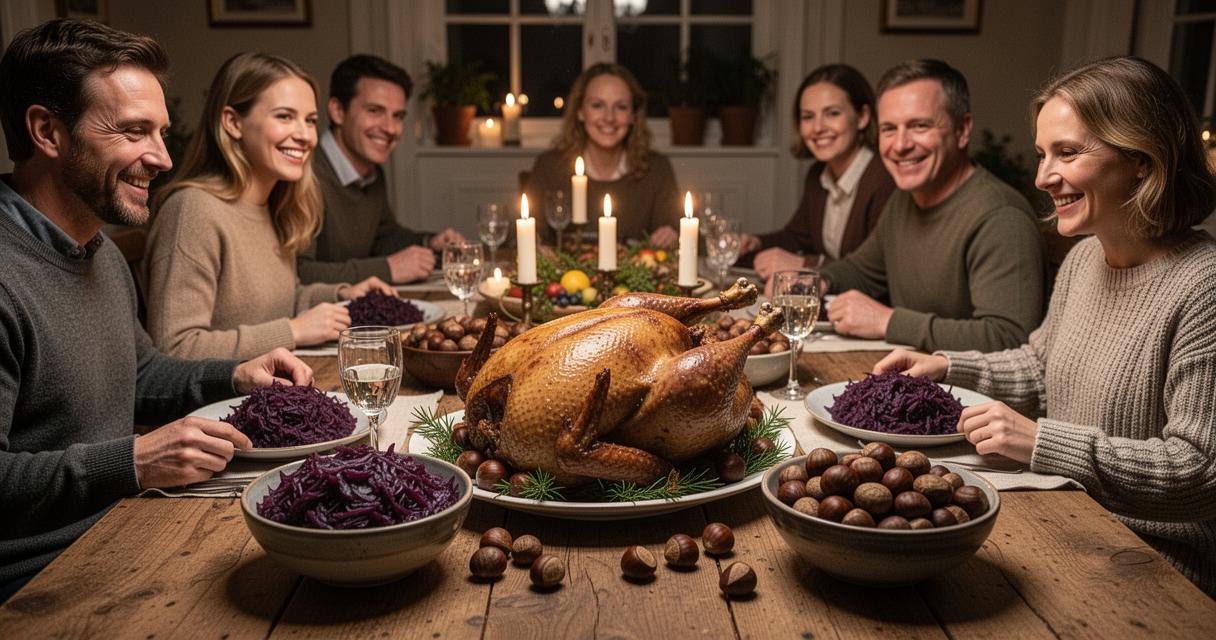
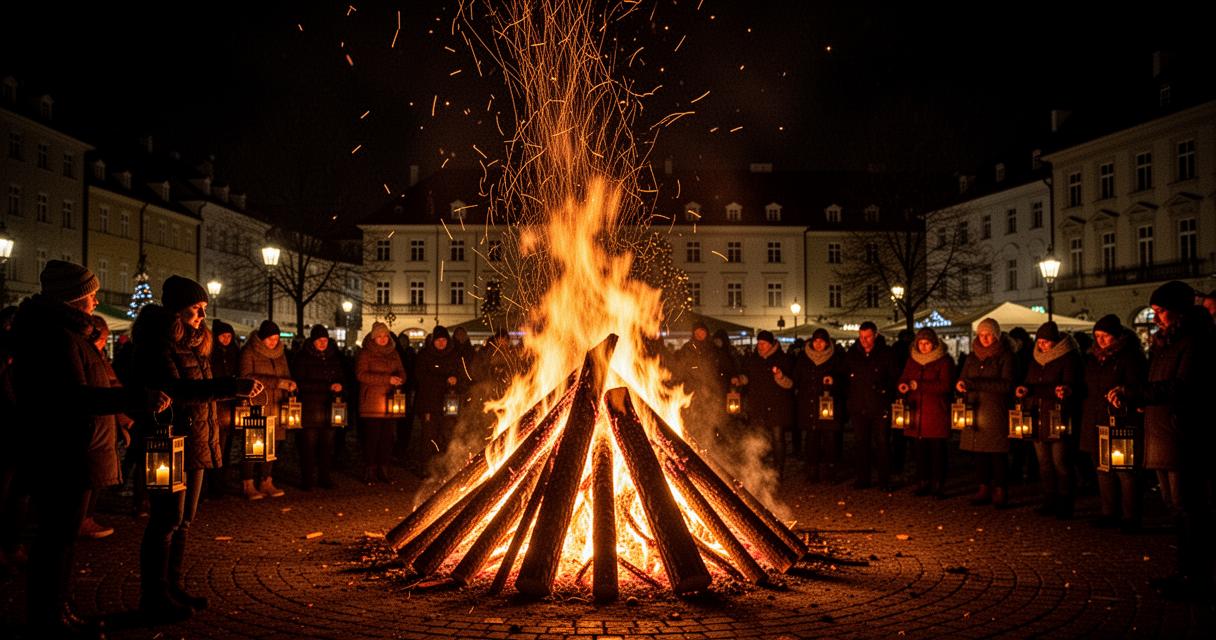
In Germany particularly, the lantern procession stands as the centrepiece of the celebration. Children carry handmade lanterns through darkened streets, their small flames bobbing like fireflies, while voices rise together in traditional songs celebrating Martin’s kindness. Some of the largest gatherings draw thousands of participants, filling entire town centres with warmth and melody. Afterwards, many households sit down to a roast goose dinner, a custom rooted in the legend of the hiding bishop and the geese that betrayed him. The bird is often prepared with a rich stuffing and served alongside hearty sides, its crisp skin and tender meat making it a true seasonal treat. Sweet bread figures known as Stutenkerle or Weckmänner are also handed out, delighting children with their soft dough and raisin eyes.
Regional celebrations in Alsace and beyond the calendar
France has its own flavour of this celebration, particularly in Alsace, where the connection to Martin runs deep given his role as Bishop of Tours. Markets and village gatherings often feature spiced bread, warm drinks and storytelling sessions that keep the legend alive for younger generations. Some regions even weave in local customs involving a donkey, echoing the saint’s humble travels, while the sound of starling flocks gathering overhead at this time of year has become its own small seasonal marker for those who notice such things. Though the exact customs shift from one country to another, the spirit of the occasion remains remarkably consistent throughout.
Which activities can bring generosity and joy to your children this holiday?
Bringing this tradition into your own home does not require elaborate planning, just a willingness to share a story and spark a little creativity.
Crafting lanterns, baking spiced bread and sharing stories of kindness
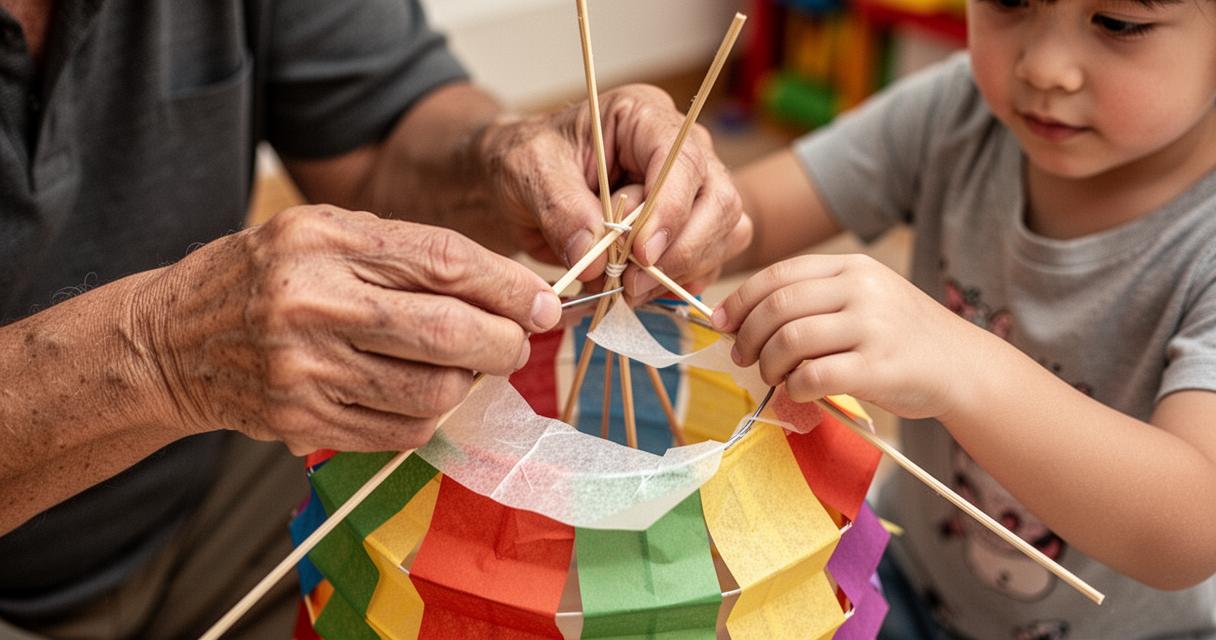
One of the simplest ways to mark the occasion is by making paper lanterns together, cutting shapes, gluing coloured tissue and fitting a small candle or light inside. Baking is another wonderful activity, whether it is spiced bread scented with cinnamon or sweet dough figures shaped like little men. While the treats are baking, take a moment to tell the story of the soldier and the beggar, letting children discover for themselves why generosity matters so much within this legend.
Teaching the legend through school traditions and family gatherings
Many schools across France and Germany include Martin’s story as part of their autumn calendar, often organising their own lantern walks or small performances. Families can extend this learning at home by discussing how a single act of kindness shaped centuries of celebration, now recognised in various forms across the world. Whether through song, food or simple conversation, this gentle holiday offers families everywhere a meaningful pause before the busier festivities of winter arrive.